Abu Simbel Day Trip from Aswan
Premium Collection

Abu Simbel Day Trip from Aswan
Full day (by road) / Half day (by flight, optional upgrade)
Start From $130

The colossal rock temples of Ramses II, relocated to save them from the Nile

Abu Simbel sits roughly 280 km south of Aswan, near the border with Sudan, and this full-day trip typically departs very early in the morning, either by road convoy or by a short domestic flight (flight upgrade available on request).

The Great Temple, fronted by four colossal 20-meter statues of Ramses II, was designed so that twice a year sunlight reaches deep into the inner sanctuary to illuminate statues of the gods, a level of astronomical precision remarkable for its time. Beside it stands the smaller Temple of Hathor, dedicated to Ramses II's favorite wife, Queen Nefertari.

In the 1960s, as the Aswan High Dam threatened to submerge the site, an international UNESCO effort cut both temples into large blocks and reassembled them on higher ground, inside an artificial mountain, a project widely regarded as one of the great feats of archaeological engineering. Your guide will walk you through both temples and the story of their relocation before the return journey to Aswan.
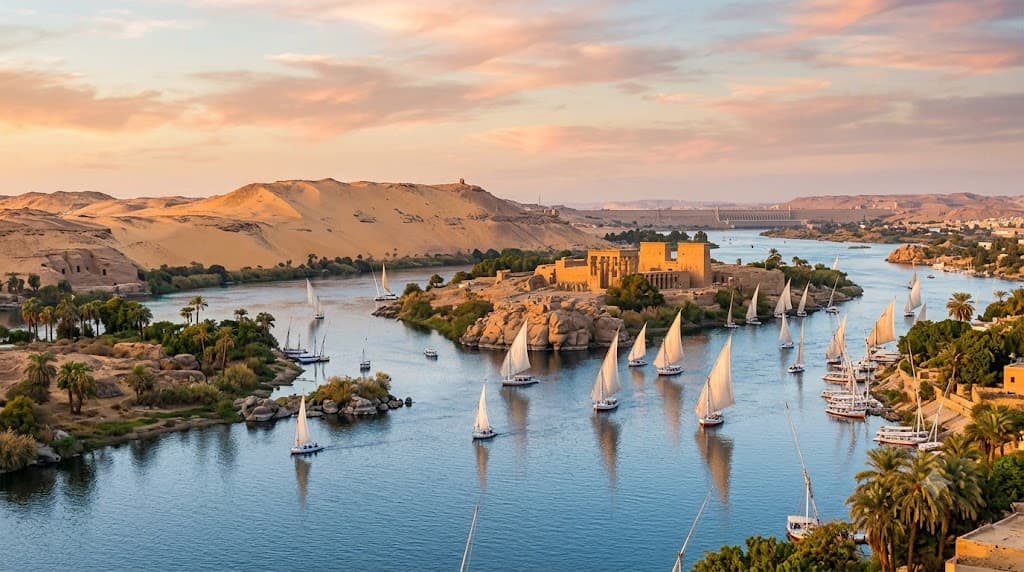
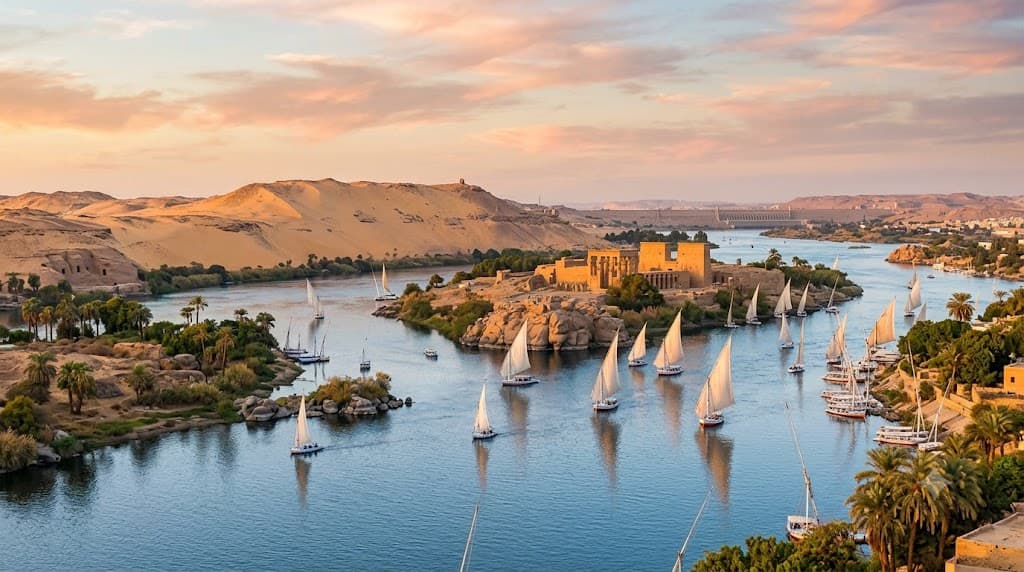
Aswan — where the Nile narrows and the pace slows.
Start City

Aswan — where the Nile narrows and the pace slows.

What's Tour Included

What's Included

Entrance fees to the Great Temple and Temple of Hathor
Round-trip road transport in an air-conditioned vehicle (convoy departure)
English-speaking guide
Bottled water during the trip
Hotel pickup and drop-off in Aswan

What's Excluded

Lunch
Optional domestic flight upgrade (available on request at extra cost)
Gratuities

Others

The road journey is roughly 3 hours each way; travelers with limited time or mobility may prefer the optional flight upgrade.

Notes

Smart Packing: Pack light, breathable clothing for the desert heat, but keep a light jacket or sweater handy for cooler evenings and air-conditioned spaces. Don’t forget comfortable walking shoes, a high-SPF sunscreen, a hat, and sunglasses to stay protected while exploring ancient sites.
Dress Code: Egypt is a culturally conservative country. When visiting mosques or local neighborhoods, it’s best to dress modestly—covering your shoulders and knees is appreciated. Otherwise, feel free to wear light, breathable fabrics like cotton or linen to stay cool.
Tipping (Baksheesh): Tipping is an ingrained part of Egyptian culture. It is customary to offer a small tip to drivers, guides, and cruise staff for their services. Having some small denominations of local currency handy will make this much easier for you.
Health & Safety: Stay hydrated by drinking plenty of bottled water, which is included in your excursions. It’s always smart to carry a small personal first-aid kit with basic items like pain relievers or stomach remedies. Keep our emergency contact details saved in your phone so you can reach us at any time if you need assistance.
The sunrise-alignment event that lights the inner sanctuary happens only twice a year (around February 22 and October 22) — on other dates you'll still see the statues clearly, just without the illumination effect.
Travel Documents: Before you fly, ensure your passport is valid for at least six months beyond your travel dates. Please have your hotel bookings and flight tickets printed and ready, and keep digital copies saved on your phone for easy access. Remember to check the latest visa requirements for your nationality before departure.
Essential Trip Tips To ensure your adventure through Egypt is as seamless and enjoyable as possible, please take a moment to review these helpful tips:
Photography: You are welcome to take photos at most sites. However, please note that some museums or specific tombs may restrict flash photography to preserve the ancient colors and artifacts. Always check with your guide if you aren't sure.
Money & Budget: While major cards are accepted in hotels and larger shops, it is always a good idea to carry some Egyptian Pounds in cash for small purchases, local markets, and tipping. ATM machines are widely available, but having a little cash on hand makes life much easier when you’re out and about.

Book Now

Related Journeys