Egypt's greatest open-air museum, in a single call at Safaga
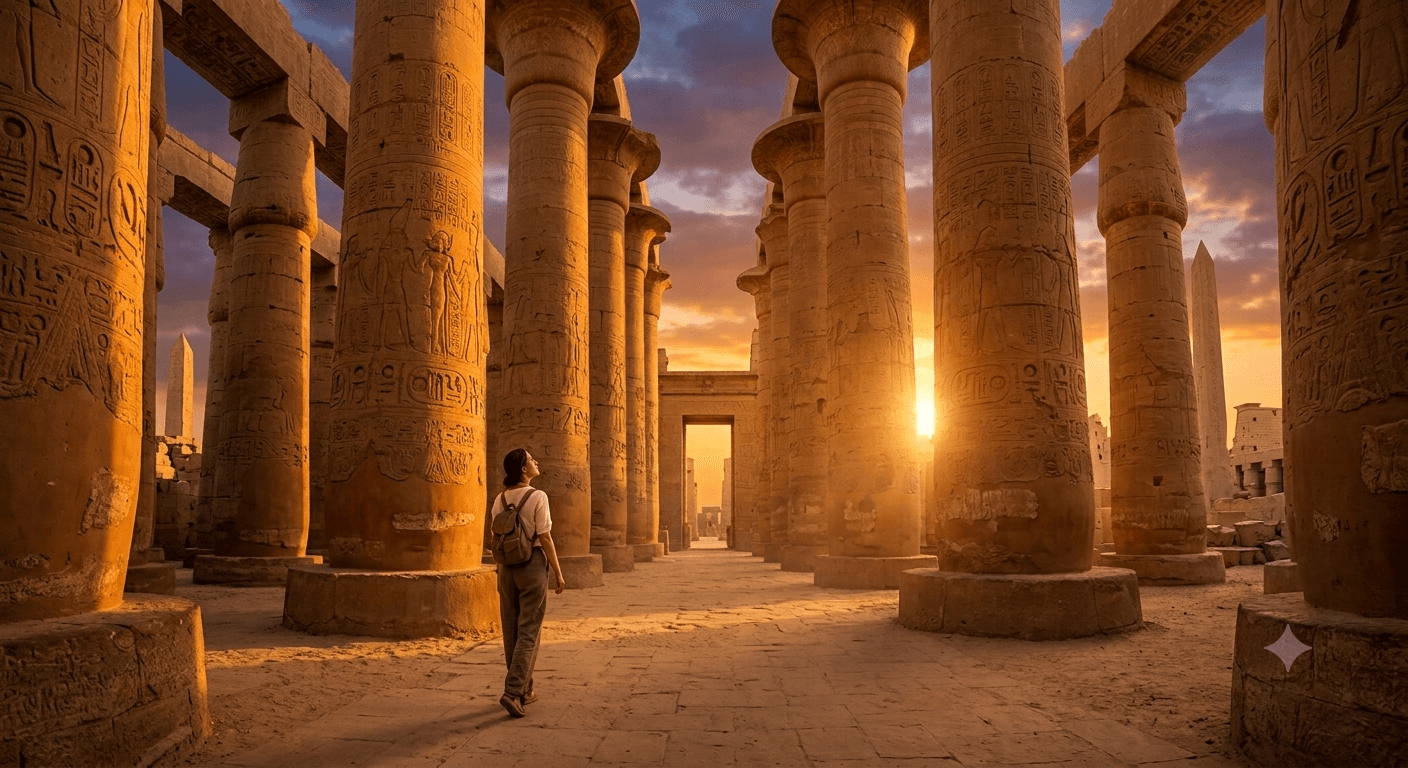
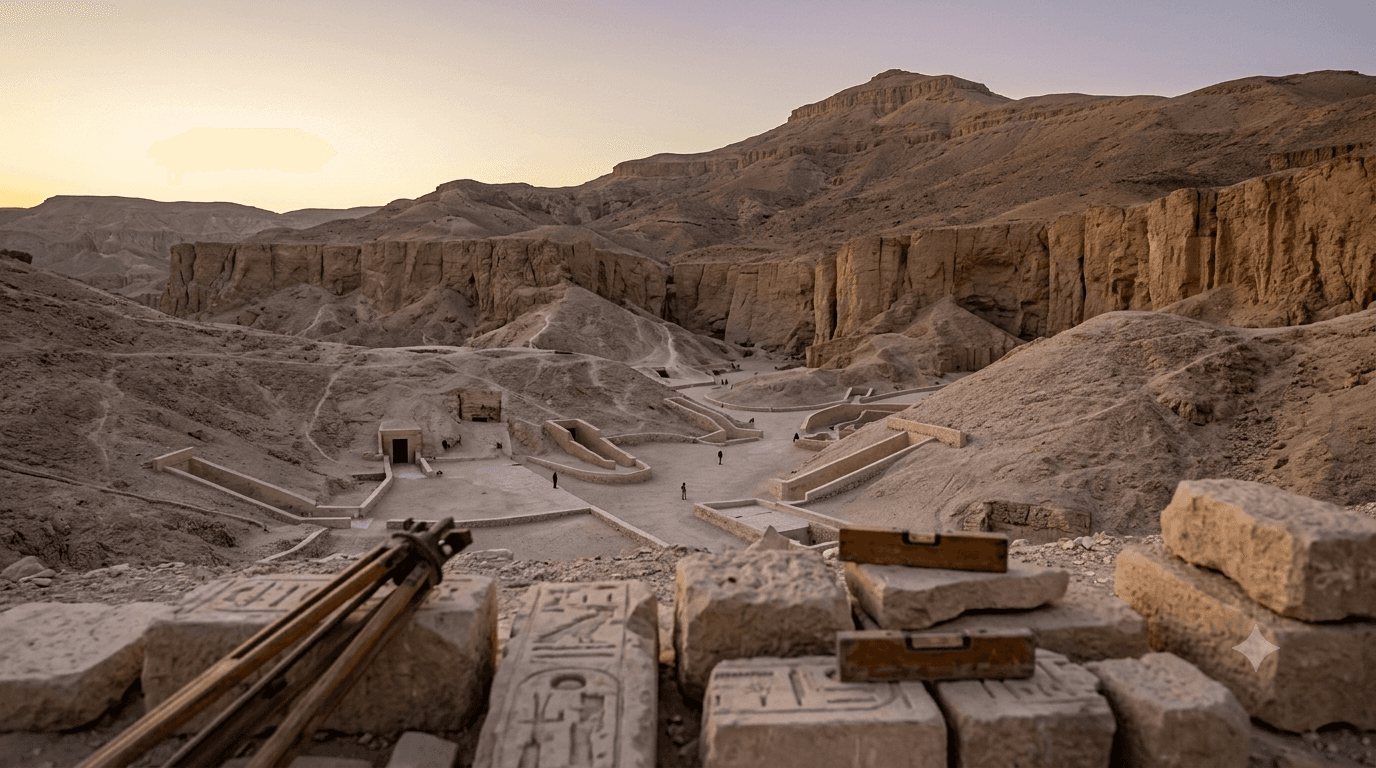
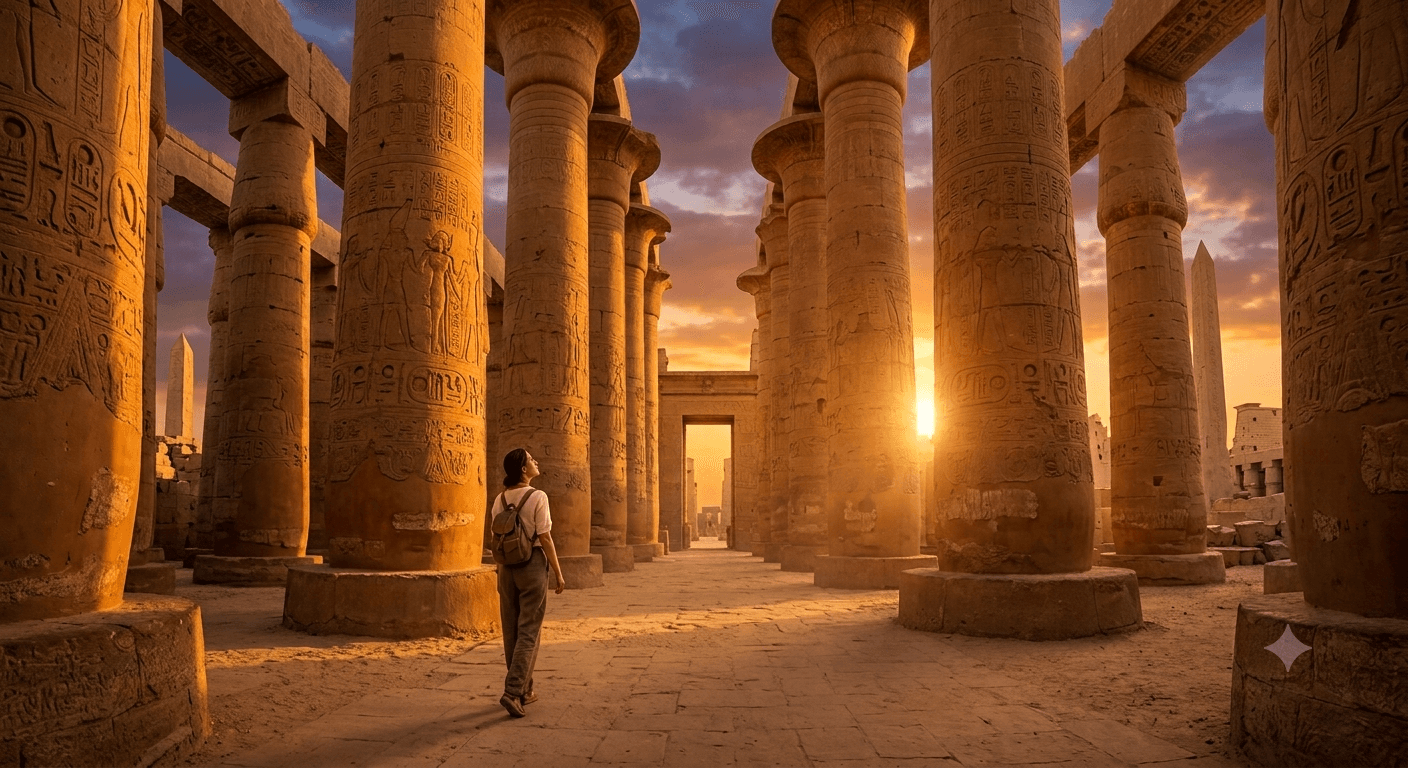
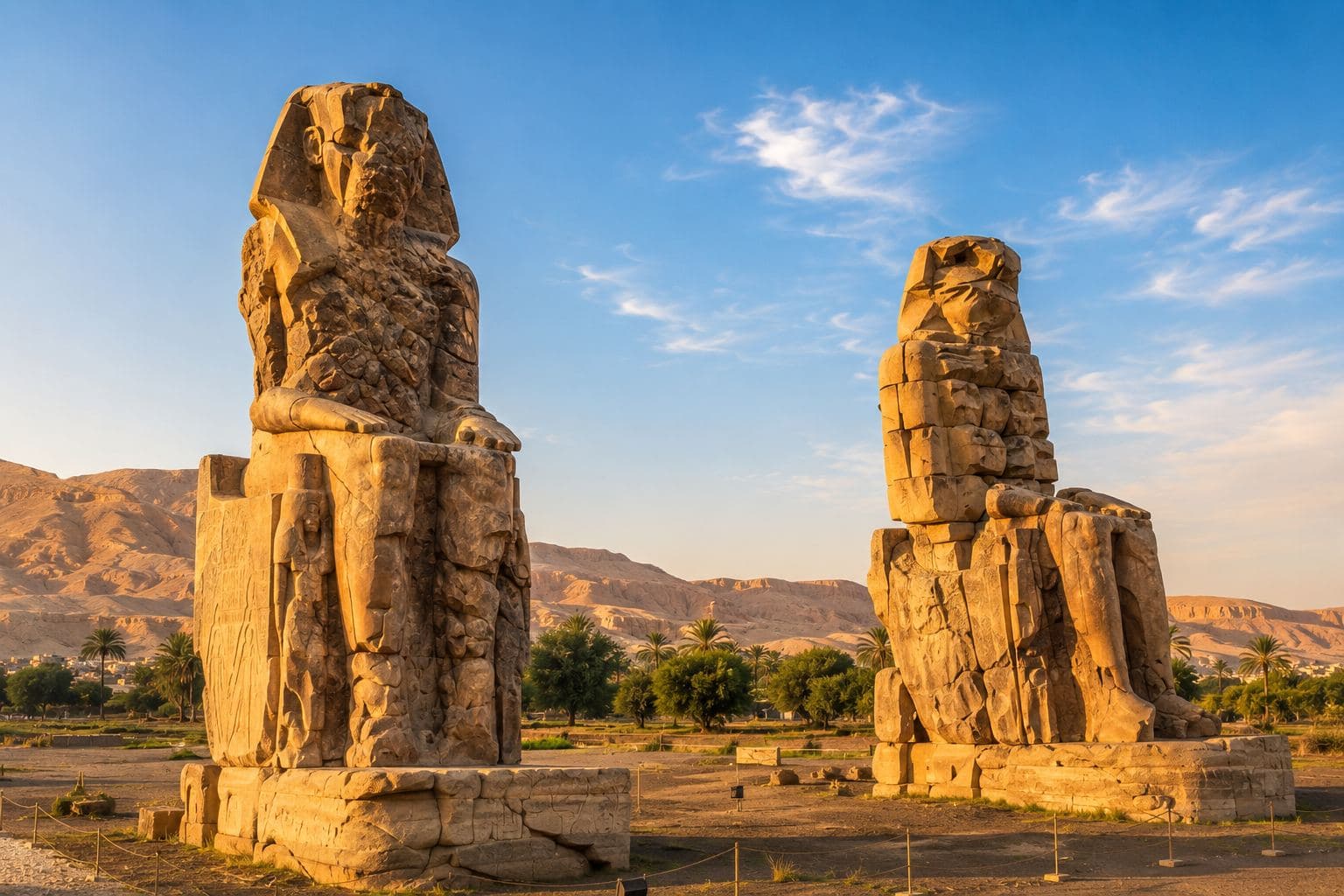
This shore excursion covers Luxor's East and West Banks in a single day, with the drive from Safaga Port taking roughly three hours each way. The day opens at Karnak Temple, the largest religious complex ever built in Egypt, constructed in stages from the Middle Kingdom through the Greco-Roman period and centered on the Great Hypostyle Hall's forest of giant columns. After lunch at a local restaurant, the tour crosses to the West Bank to see the twin seated statues known as the Colossi of Memnon, then continues to the Valley of the Kings, where the rock-cut tombs of the pharaohs were carved deep into the desert cliffs. The day closes at Hatshepsut's Temple at Deir el-Bahari, built in stepped terraces against the cliffs for Egypt's only female pharaoh, before the return drive to Safaga in time for your ship's evening departure.
Start City / End City
Safaga — the Red Sea's quiet port.
What's Tour Included
What's Included
Bottled water during the tour
Private English-speaking guide
Pickup and drop-off at Safaga Port, at the cruise exit door
Entrance fees to all sites mentioned
Taxes and service charges
Air-conditioned transport
Lunch at a local restaurant
What's Excluded
Personal expenses and anything not listed in the itinerary
Gratuities
Others
The return drive covers around 220 km, and you are escorted back to your ship before the evening
Notes
Essential Trip Tips
To ensure your adventure through Egypt is as seamless and enjoyable as possible, please take a moment to review these helpful tips:
Travel Documents: Before you fly, ensure your passport is valid for at least six months beyond your travel dates. Please have your hotel bookings and flight tickets printed and ready, and keep digital copies saved on your phone for easy access. Remember to check the latest visa requirements for your nationality before departure.
Smart Packing: Pack light, breathable clothing for the desert heat, but keep a light jacket or sweater handy for cooler evenings and air-conditioned spaces. Don’t forget comfortable walking shoes, a high-SPF sunscreen, a hat, and sunglasses to stay protected while exploring ancient sites.
Dress Code: Egypt is a culturally conservative country. When visiting mosques or local neighborhoods, it’s best to dress modestly—covering your shoulders and knees is appreciated. Otherwise, feel free to wear light, breathable fabrics like cotton or linen to stay cool.
Money & Budget: While major cards are accepted in hotels and larger shops, it is always a good idea to carry some Egyptian Pounds in cash for small purchases, local markets, and tipping. ATM machines are widely available, but having a little cash on hand makes life much easier when you’re out and about.
Health & Safety: Stay hydrated by drinking plenty of bottled water, which is included in your excursions. It’s always smart to carry a small personal first-aid kit with basic items like pain relievers or stomach remedies. Keep our emergency contact details saved in your phone so you can reach us at any time if you need assistance.
Tipping (Baksheesh): Tipping is an ingrained part of Egyptian culture. It is customary to offer a small tip to drivers, guides, and cruise staff for their services. Having some small denominations of local currency handy will make this much easier for you.
Photography: You are welcome to take photos at most sites. However, please note that some museums or specific tombs may restrict flash photography to preserve the ancient colors and artifacts. Always check with your guide if you aren't sure.
Karnak's Hypostyle Hall alone is worth 30-45 minutes — with the West Bank still to come after lunch, it's worth not lingering too long at the Colossi of Memnon, which are seen from the roadside in a few minutes.