In 2027, Ramadan is expected to run from around 9 February to 10 March, with Eid al-Fitr falling around 11 March. Since the exact dates depend on the official sighting of the moon, treat these as estimates until closer to the time. The trick to enjoying Egypt during Ramadan is simple: plan your sightseeing around the daytime schedule, then embrace the energy of the country after sunset.
What Is Ramadan?
Ramadan is the ninth month of the Islamic lunar calendar and the holiest month in Islam. Muslims fast from dawn until sunset, abstaining from food and drink during daylight hours, then break the fast at sunset with iftar, the evening meal. Before dawn, many people also eat suhoor, a meal meant to carry them through the day ahead.
In Egypt, Ramadan is not just a religious observance, it reshapes the rhythm of everyday life: working hours shift, shopping patterns change, and restaurants, family gatherings, street decorations and nightlife all take on a different character. For travelers, that adds up to a noticeably different atmosphere from an ordinary visit. If this is your first trip to the country, our [Egypt Travel Guide] is a useful starting point for the best places to visit, transportation, weather, culture and practical travel information.
Is Egypt Open During Ramadan?
Yes, Egypt remains open to tourists during Ramadan. Major tourist attractions, hotels, airports, restaurants, tour operators and transportation services all continue operating, though opening hours can shift as businesses adjust to the holy month. The biggest practical difference is that daytime activities tend to wrap up earlier while evenings get a lot busier. Government offices and banks typically run reduced hours, and some museums and archaeological sites close earlier than usual too. Since these times can vary from one attraction to the next and change from year to year, it's worth confirming the schedule shortly before your visit.
What This Means for Travelers
A typical sightseeing day during Ramadan might run like this: mornings for the pyramids, museums, temples, markets and other sightseeing; early afternoon to finish up major visits and head back to the hotel; late afternoon to rest before sunset; then iftar at sunset, followed by an evening spent exploring markets, cafés, Ramadan decorations and illuminated landmarks. Oddly enough, that structure can make a trip feel more relaxed rather than less. If you're planning a short stay, our [Cairo Day Tours] have ideas for combining the city's major attractions efficiently.
Visiting the Pyramids During Ramadan
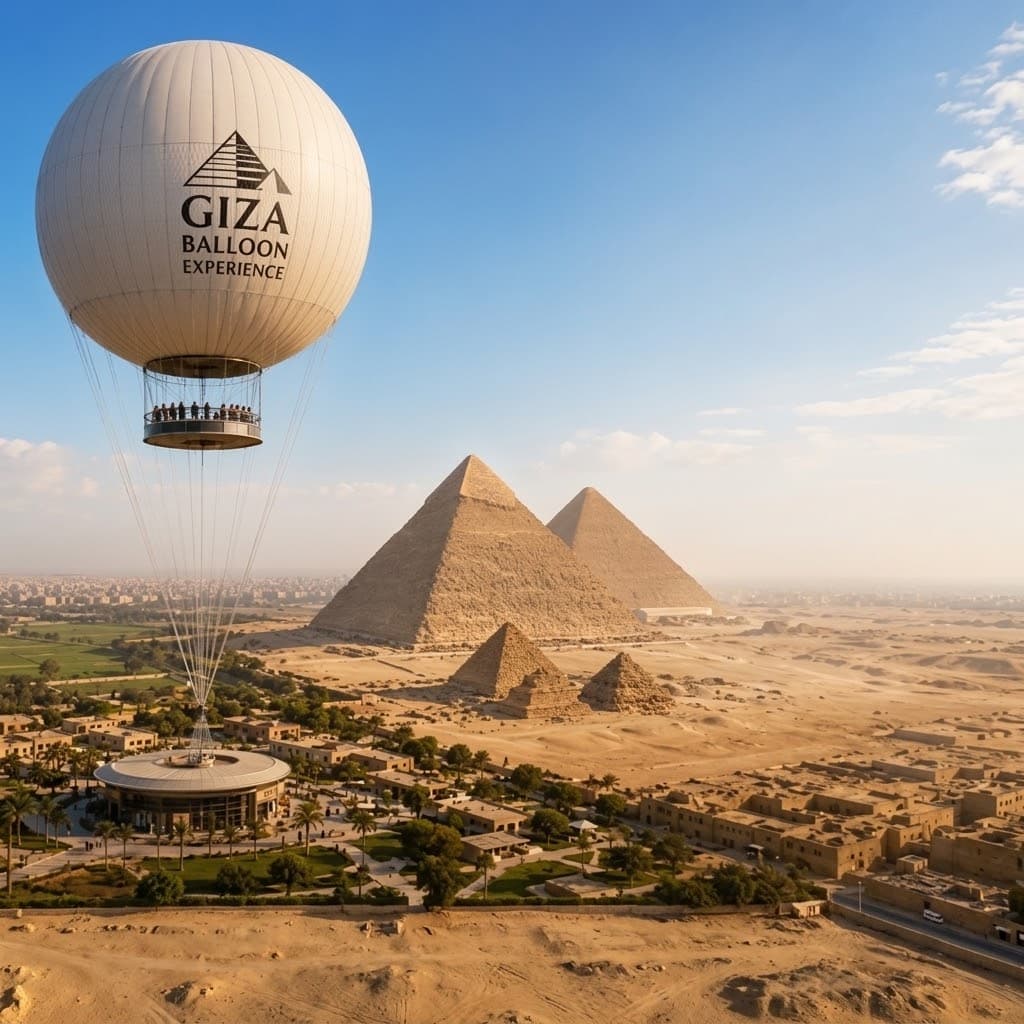
The Giza Pyramids remain one of the best places to visit during Ramadan. Early mornings feel quieter, and getting there before the hottest part of the day makes the archaeological area far more comfortable to explore. Photographers in particular benefit, since Ramadan often means fewer visitors cluttering the background of a shot. A morning visit also has a practical upside: you can wrap up your sightseeing before the city starts gearing up for iftar. If the pyramids are a priority, our [Giza Pyramids Tours] cover different ways to experience the Giza Plateau, including private sightseeing options. One thing worth remembering: Ramadan opening hours aren't fixed from year to year, so check the current schedule before you go rather than assuming it matches what you read last season.
Museums and Archaeological Sites During Ramadan
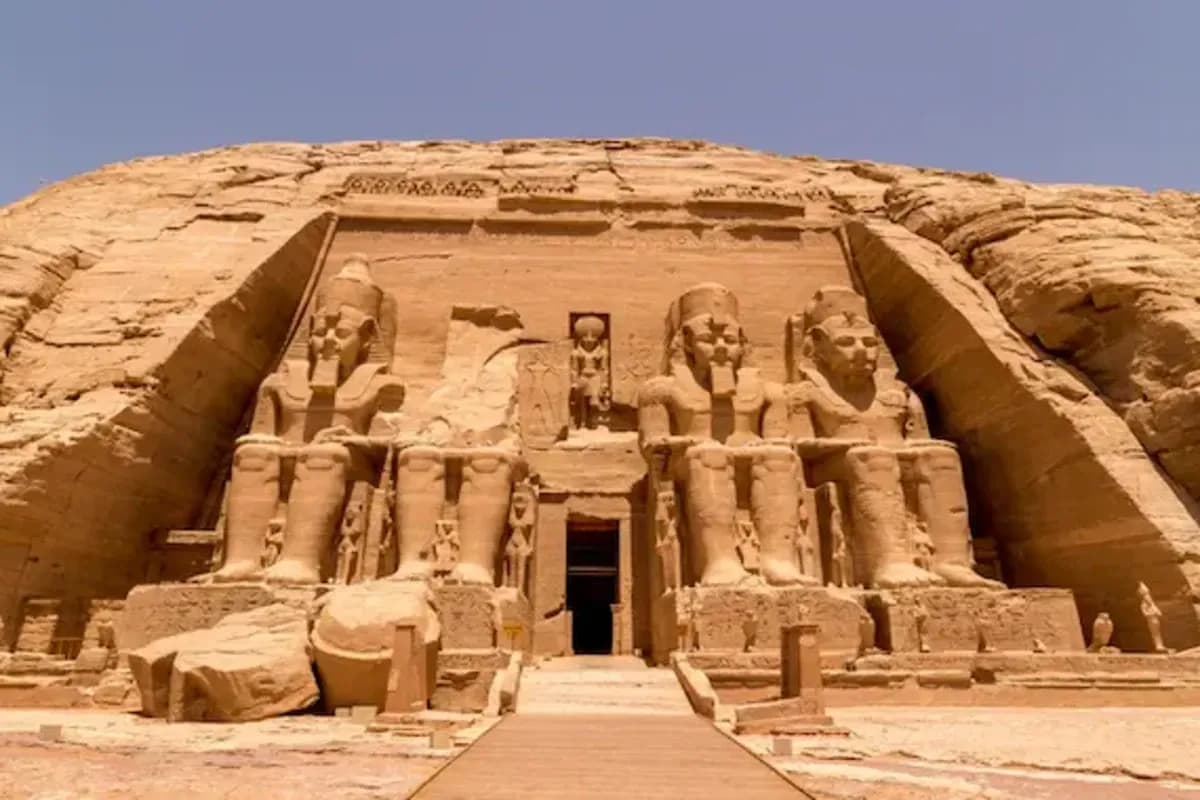
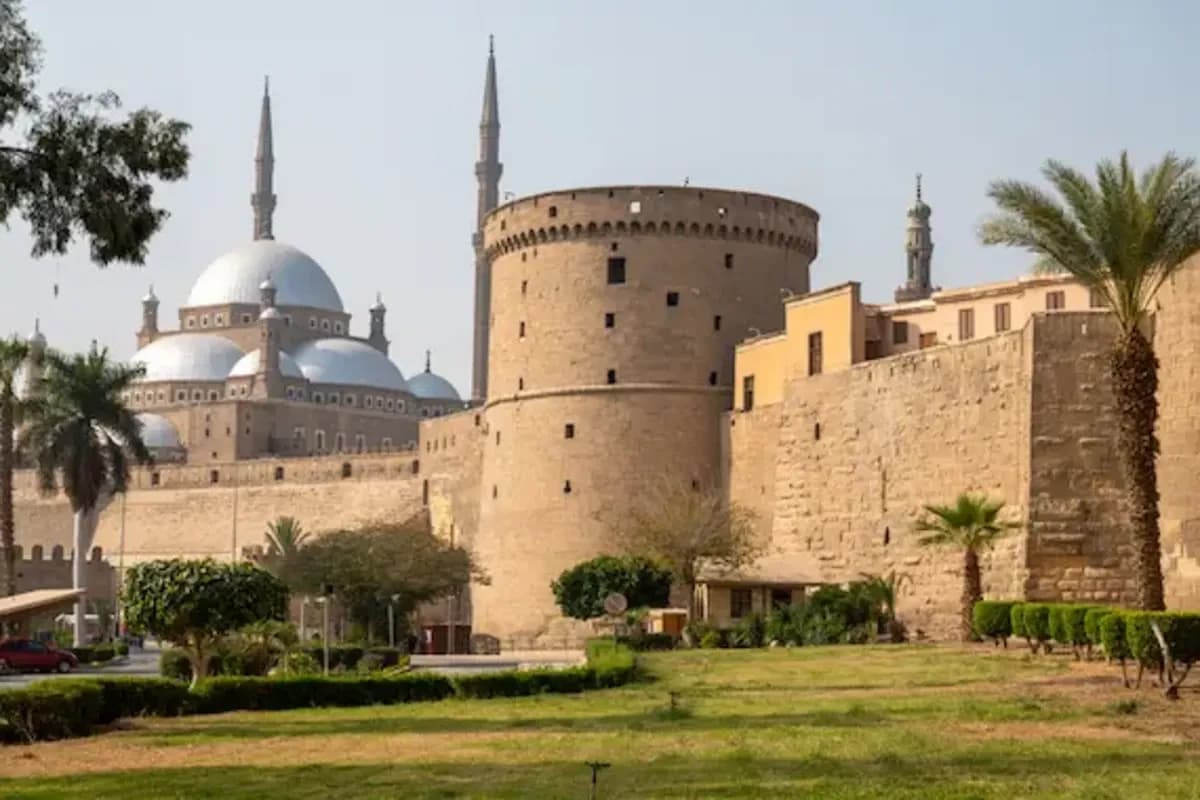
Egypt's museums and archaeological sites generally stay accessible during Ramadan, but opening and closing times may be adjusted, which matters most if your itinerary packs in several attractions in one day. Rather than planning a late-afternoon museum visit, aim to hit major sites earlier. A Cairo sightseeing day, for example, could start at the Egyptian Museum, move on to the Citadel of Saladin, then Islamic Cairo and Khan el-Khalili, before heading back to the hotel ahead of iftar and returning out in the evening. If you're interested in ancient Egyptian history, our [Egypt Sightseeing Tours] cover some of the country's most important archaeological sites. The same logic holds in Luxor and Aswan: start early and avoid building an itinerary around late-afternoon visits.
The Best Thing About Ramadan: Cairo After Sunset
If daytime Cairo turns quieter during Ramadan, nighttime Cairo does the opposite. Once the sun sets and the fast breaks, streets, restaurants and cafés come back to life. Families meet for dinner, friends gather in cafés, shops stay open late, and Ramadan decorations light up neighborhoods across the city. Khan el-Khalili is especially atmospheric after dark, so instead of visiting only in the daytime, go back after sunset to catch its cafés, shops and narrow streets when the city is at its most animated. Our guide to [Khan el-Khalili and Islamic Cairo] goes deeper into this historic district. Keep an eye out for fanous, the Ramadan lanterns that are one of the season's most recognizable visual symbols.
Experience Iftar in Egypt
Iftar is the meal eaten immediately after sunset to break the daily fast, and for a visitor, joining one can be among the most memorable parts of a Ramadan trip. Traditional Egyptian iftar spreads might include dates and water, lentil soup, fattah, stuffed vegetables, grilled meats, rice, salads and mezze, plus sweets like kunafa and qamar al-din. Hotels and restaurants often put together special Ramadan iftar menus and buffets, but restaurants can get extremely busy right around sunset, so if you want to eat at a popular spot, book ahead. For travelers who want to go beyond Egypt's archaeological attractions, our [Egypt Food and Culture Guide] covers the country's culinary traditions and local experiences.
Ramadan Tents and Egyptian Nightlife
One of the most distinctive features of Ramadan in Egypt is the Ramadan tent: a temporary or seasonal space that recreates a traditional social atmosphere where people gather after iftar for food, tea, coffee and conversation. Depending on the venue, you might find iftar buffets, Egyptian music, live entertainment, traditional games, and backgammon tables. Some venues lean luxurious and modern, others stick to a more traditional Egyptian feel, but either way they give tourists an easy way into the social side of the month without needing to take part in the religious rituals themselves.
Religious Etiquette for Tourists During Ramadan
You don't need to be Muslim to visit Egypt during Ramadan, and tourists aren't expected to fast, but showing awareness and respect for people who are matters.
Dress Modestly
Modest clothing is a good idea in Egypt generally, and especially during Ramadan. As a rule of thumb, cover your shoulders and knees when visiting religious sites and conservative areas. Mosques may ask women to cover their hair, and visitors should remove their shoes where required; if you're ever unsure, just watch what local visitors are doing and follow suit. If mosques and historic Islamic landmarks are a big part of your trip, our [Islamic Cairo Tours] cover the city's religious and architectural heritage.
Eating and Drinking in Public
Tourists generally aren't expected to fast, but eating, drinking or smoking openly in crowded public areas during daylight hours can come across as insensitive to people who are. The easy fix is to eat and drink inside your hotel, a designated restaurant, or another appropriate private setting. Don't feel awkward about drinking water when you need it, though. Respect matters more than trying to imitate a religious practice that isn't yours.
Be Patient Around Sunset
The period right before iftar tends to get busy: people are heading home, restaurants are prepping for iftar, and traffic can turn unpredictable. If you're driving, build in extra time around sunset, and don't be surprised if the atmosphere in a restaurant suddenly shifts the moment the call to prayer marks sunset and everyone starts eating.
Keep Public Behavior Respectful
Since Ramadan is a religious period, it's worth being especially mindful of public behavior: avoid loud or disruptive behavior around mosques and religious gatherings, and always ask before photographing people, particularly during religious moments.
Can Tourists Eat During Ramadan in Egypt?
Yes, and this is one of the most common worries among first-time visitors. You don't have to fast just because you're visiting a Muslim-majority country. Many hotels keep serving breakfast and lunch to international guests, though arrangements vary; some restaurants close during daylight hours or operate differently, while others, particularly those inside hotels and tourist areas, keep serving tourists through the day. The real distinction is between being unable to eat and choosing to be respectful about where and how you do it. If you're staying at a hotel, just ask reception about daytime dining when you check in.
What Happens to Restaurants During Ramadan?
Restaurants generally split into a few categories during Ramadan. Some close during the day and reopen shortly before sunset; others, especially those inside hotels and tourist areas, keep serving throughout the day. After iftar, restaurants can get extremely busy and stay open much later than usual, and in cities like Cairo it's completely normal for people to be out late into the night. That actually gives travelers more chances to experience Egypt after dark than they might during other seasons.
Does Ramadan Affect Tourist Tours?
It does, though not in a way that makes tours worse, it just changes how a well-planned itinerary should be structured. A good Ramadan itinerary usually runs: early start, sightseeing, afternoon break, iftar, then evening activities. Instead of sightseeing until 6pm, for instance, a tour operator might schedule the main visits earlier and let travelers head back to the hotel before sunset. This flexibility works especially well for private tours, since the schedule can bend around your interests and energy levels. At GenToura, this is exactly where itinerary planning earns its keep: the goal isn't to squeeze a non-Ramadan schedule into Ramadan, it's to redesign the day around the country's rhythm. For a longer holiday, our [Egypt Travel Packages] bundle accommodation, sightseeing and transportation into complete itineraries built around Ramadan schedules.
Ramadan Travel on a Nile Cruise
A Nile cruise can be an excellent way to experience Egypt during Ramadan if you want to combine sightseeing with a more relaxed pace. A typical itinerary connects Luxor and Aswan, letting you explore ancient temples and monuments along the way, though during Ramadan it's worth confirming meal schedules and daily sightseeing times with your cruise operator. Our [Egypt Nile Cruises] compare different routes, durations and experiences, and travelers after something more intimate might consider a [Dahabiya Nile Cruise] for a slower, more private way to see the Nile.
Ramadan Travel in Cairo, Luxor and Aswan
Cairo
Cairo is arguably the most exciting Egyptian destination during Ramadan. Historic Islamic neighborhoods, Khan el-Khalili, Ramadan lanterns, cafés and late-night gatherings all combine to make the city especially atmospheric. Plan your major sightseeing for the morning and early afternoon, then give the evening over to Cairo's cultural life. Our [Cairo Tours] can help you fit the city's major landmarks into a practical itinerary if time is tight.
Luxor
Luxor rewards early-morning sightseeing. The Valley of the Kings, Karnak Temple and other archaeological sites are best tackled earlier in the day, leaving the afternoon free for relaxation, and a Nile-side evening afterward makes a peaceful contrast to the intensity of daytime sightseeing. If ancient Egyptian history is your priority, our [Luxor Tours] cover the city's major temples and archaeological sites.
Aswan
Aswan moves at a slower pace, which suits Ramadan particularly well. A sunset felucca ride followed by an evening meal can be one of the more memorable ways to experience the city. Nile cruise travelers should confirm departure schedules and onboard meal arrangements in advance, since cruise itineraries run on fixed timetables. Our [Aswan Tours] cover more ways to explore the city's temples, islands and Nile landscapes.
What Should You Pack for Egypt During Ramadan?
You don't need a special Ramadan wardrobe, but a few choices make the trip more comfortable: lightweight, breathable clothing that covers shoulders and knees, comfortable walking shoes, a light layer for cooler mornings and evenings, sunglasses and sunscreen, a scarf for religious sites, and a reusable water bottle. February and March tend to bring pleasantly warm days but cooler mornings and evenings, especially in Upper Egypt, so pack for both ends of the day. Our [Best Time to Visit Egypt] guide has more on seasonal planning.
Practical Tips for Visiting Egypt During Ramadan
A few things worth keeping in mind before you go: check attraction hours, since Ramadan schedules can differ from the usual; start sightseeing early, when it's easiest to explore major attractions; and allow extra time before sunset, since traffic gets genuinely difficult around iftar. Book iftar experiences ahead of time, since popular restaurants and Ramadan venues fill up fast, and carry water so you can stay hydrated, ideally away from crowded public spaces. Tourist infrastructure keeps running throughout, even if schedules shift, so don't expect everything to close. And don't spend the whole evening in your hotel; this is when Egypt comes alive.
Should You Visit Egypt During Ramadan?
For many travelers, yes. Ramadan does have downsides: reduced opening hours can complicate a packed sightseeing schedule, and traffic around sunset can be frustrating. But the advantages are real too.
Why Ramadan Can Be a Great Time to Visit Egypt
Daytime crowds thin out at some attractions compared to peak tourist periods, and February and March are far more comfortable for sightseeing than Egypt's summer months. You also get a side of Egyptian life that simply isn't there the rest of the year: Cairo turns especially energetic after sunset, lanterns and decorated streets create a completely different visual atmosphere, and experiences like iftar, Ramadan tents, traditional sweets and late-night cafés go well beyond conventional sightseeing. If you're still deciding when to travel, our [Best Time to Visit Egypt] guide compares Egypt's seasons, weather and tourist conditions more broadly.
Final Thoughts: Ramadan Offers a Different Egypt
Visiting Egypt during Ramadan isn't just about working around shorter opening hours, it's a chance to experience a different rhythm of Egyptian life. Mornings turn quieter, afternoons slow down, sunset becomes a real moment, and then, almost suddenly, the streets come alive again. Restaurants fill with families, cafés stay open late, lanterns light up neighborhoods, and historic streets turn into meeting places as Cairo's nights stretch well past midnight.
For travelers willing to adjust their schedule, Ramadan can turn an ordinary Egypt trip into something far more immersive. The trick isn't fighting the Ramadan schedule, it's traveling with it. If you're planning a Ramadan visit, explore GenToura's [Egypt Tours and Travel Packages] to find an itinerary that can flex around your dates, interests and pace.
Frequently Asked Questions About Visiting Egypt During Ramadan
Is Egypt open to tourists during Ramadan?
Yes. Hotels, airports, tourist attractions, restaurants and tour operators all keep running, though some businesses and attractions may have shorter or adjusted hours.
Can non-Muslims visit Egypt during Ramadan?
Absolutely. You're not required to fast, but it's worth respecting local customs, dressing modestly, and being considerate about eating or drinking in public during daylight hours.
Do tourists have to fast during Ramadan in Egypt?
No. That said, eating, drinking or smoking discreetly rather than openly in crowded public places during the day is considered more respectful toward people who are fasting.
Can tourists eat in restaurants during Ramadan in Egypt?
Yes. Many hotels and tourist-oriented restaurants keep serving visitors during the day, though some close until sunset. After iftar, restaurants and cafés often get much busier and may stay open late into the night.
What time do tourist attractions close during Ramadan in Egypt?
Some museums and archaeological sites run shorter hours and close earlier than usual, but times vary by attraction and change year to year, so check the latest schedule before visiting.
Is it a good idea to visit the Pyramids during Ramadan?
Yes. Morning visits to the Giza Pyramids can be especially enjoyable during Ramadan thanks to cooler temperatures, smaller crowds, and better conditions for photography.
Is Cairo lively during Ramadan?
Very much so. Restaurants, cafés, markets and entertainment venues fill up after iftar, and Ramadan lanterns and decorations give the city a distinctive nighttime atmosphere.
What is iftar in Egypt?
Iftar is the evening meal that breaks the daily Ramadan fast at sunset. In Egypt it can include dates, soup, rice, vegetables, meat dishes, salads and desserts like kunafa, and hotels and restaurants often run special iftar menus or buffets during the month.
What are Ramadan tents in Egypt?
Seasonal venues where people gather after sunset to eat, drink, socialize and be entertained, often with iftar buffets, traditional Egyptian music, tea, coffee and games like backgammon.
What should tourists wear in Egypt during Ramadan?
Modest clothing, particularly around mosques, religious sites and conservative neighborhoods. Covering shoulders and knees is a good baseline, and some mosques ask women to cover their hair too.
Can tourists drink water during Ramadan in Egypt?
Yes, tourists aren't required to fast and can drink water when needed, though doing so discreetly rather than openly in crowded public areas is the more considerate approach.
Is Ramadan a good time to travel to Egypt?
Yes, if you're comfortable adjusting your schedule. February and March bring comfortable sightseeing weather, and Ramadan adds a unique window into Egyptian culture, food and nightlife after sunset.
Does Ramadan affect Egypt tour itineraries?
Yes. Itineraries usually get adjusted for shorter attraction hours and the timing of iftar, typically front-loading sightseeing into the morning and early afternoon, with a break before sunset and evening activities after iftar.
What is the expected date of Ramadan in Egypt in 2027?
It's expected to run from around 9 February to 10 March, with Eid al-Fitr around 11 March, though the exact dates depend on the official sighting of the moon and can shift by a day.
Should I book an Egypt tour during Ramadan in advance?
Yes, especially for popular hotels, Nile cruises, private tours and special iftar experiences. Daytime crowds may thin out, but popular services and evening venues can still fill up fast.
Share article: