Most Egypt itineraries stay on the Nile and the Red Sea, so the White Desert rarely comes up until someone has already seen photos of it: chalk-white rock formations carved by windblown sand into shapes that look mushroom-like or animal-like depending on the light. It sits beyond Bahariya Oasis, and reaching it takes a bit of planning, but the detour rewards anyone with a few spare days in Cairo.
Where It Fits Into a Trip
The White Desert is not a stop on the way to anywhere else. It works best added onto a Cairo stay of four days or more, rather than squeezed in between the capital and a flight south. Think of it as a standalone excursion rather than one link in a longer chain of destinations.
Getting There
Bahariya Oasis sits roughly 365 kilometers southwest of Cairo, a drive of about four to five hours by road. From there, a 4x4 continues further into the desert to reach the White Desert itself, so the full trip involves a fair amount of driving on both ends.
What to See and Do
The Rock Formations
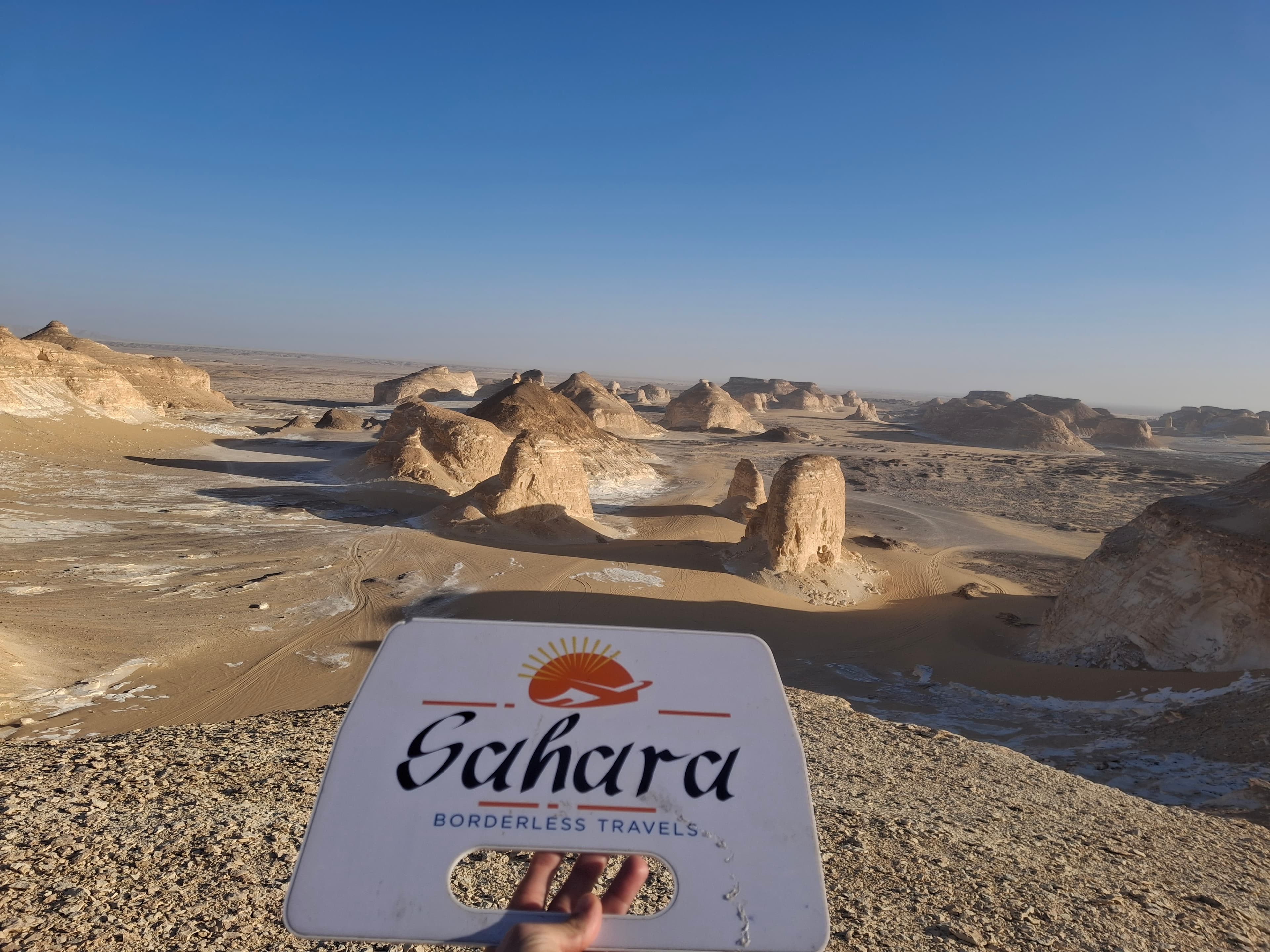
The White Desert takes its name from chalk-white rock formations that rise out of the sand in strange, sculpted shapes, some resembling mushrooms, others closer to animals or abstract towers. They formed from an ancient seabed of calcite and limestone, and millions of years of wind and windblown sand wore the softer rock down into the shapes visible today. The effect looks different depending on the time of day, sharper and more dramatic near sunrise and sunset.
Camping Among the Formations
Most visitors experience the White Desert as an overnight trip. A 4x4 drives out from Bahariya in the afternoon, the group camps for the night among the formations, and everyone heads back the next morning before the heat builds. Cooler months bring genuinely cold desert nights, so a warm layer for after dark is worth packing even when the days themselves are pleasant.
Bahariya Oasis and the Black Desert
Bahariya itself is a cluster of small settlements built around natural springs, and it's worth an extra half-day on its own. Several hot springs are scattered around the oasis, along with a smaller Black Desert nearby, an area of dark, volcanic hills that sits between Bahariya and Farafra and makes for an easy stop on the way to or from the White Desert.
Practical Tips
The cooler months, roughly October through April, make for the most comfortable trip, with November, December, February, and March generally giving the best mix of mild days and clear skies. Summer heat across the Western Desert can climb past 37°C, which makes camping and hiking around the formations far less appealing. Whatever the season, pack for both extremes: desert days can be warm even in winter, but nights in an open camp get cold fast.
Share article: